
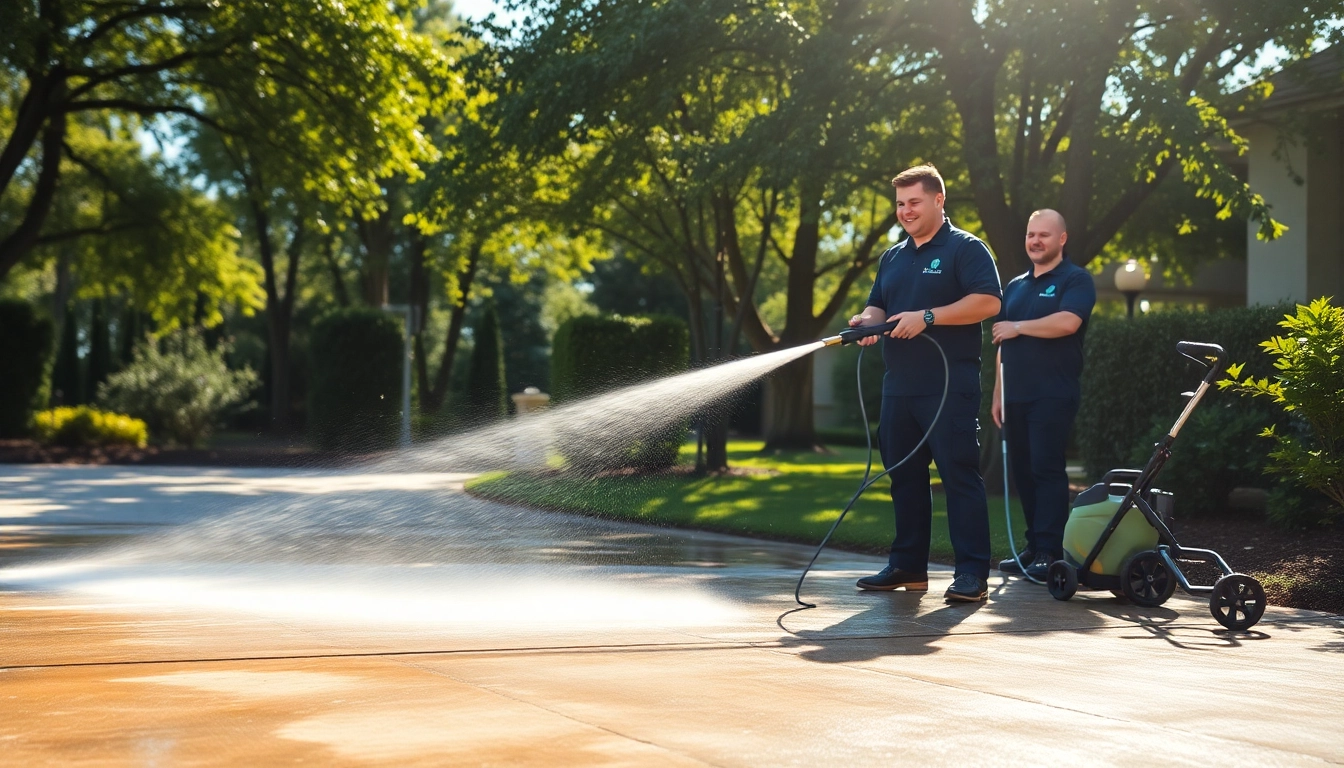
Understanding the Driveway Pressure Wash Process
Driveway pressure washing is an essential service for maintaining the cleanliness and aesthetic appeal of your property. It involves using high-pressure water jets combined with specialized cleaning agents to remove dirt, grime, mold, and stains from various surface types. With the climate fluctuations in Kissimmee, FL, maintaining a pristine driveway becomes crucial not only for curb appeal but also for the longevity of the surfaces. When exploring options, Driveway pressure wash services offer comprehensive insights into how to best care for your property.
What Is Driveway Pressure Washing?
Driveway pressure washing is a cleaning method that uses powerful pressurized water to remove tough stains and debris from concrete, asphalt, and paved surfaces. This method is highly effective for eliminating oil stains, mold, mildew, and other contaminants that can accumulate over time. By employing the right pressure settings and equipment, professionals can restore the original look of a driveway while preventing surface damage.
Benefits of Professional Driveway Cleaning
- Enhanced Curb Appeal: A clean driveway significantly boosts the aesthetic appeal of your home, making it more inviting and attractive.
- Increased Property Value: Regular maintenance, including pressure washing, can contribute to a higher property value, a valuable consideration if you plan to sell your home.
- Preventative Maintenance: Regular cleaning helps prevent the buildup of damaging substances that could lead to costly repairs.
- Time-Saving: Professional services save you the hassle and time of DIY cleaning, allowing you to focus on other essential tasks.
Preparation Steps Before Pressure Washing
Before hiring a professional service or attempting DIY pressure washing, it’s vital to prepare adequately. Here are some essential steps to take:
- Clear the Area: Remove any vehicles, outdoor furniture, or obstructions from the driveway.
- Inspect for Damage: Check for cracks or loose stones that could be further damaged during the washing process.
- Notify Neighbors: Inform your neighbors about the scheduled washing if the noise may affect them.
Types of Driveway Surfaces and Their Cleaning Needs
Concrete Driveways: Best Pressure Washing Practices
Concrete driveways are common in Kissimmee and require specific cleaning techniques to avoid damage. The best practices include starting with a lower pressure setting and gradually increasing it as needed. Using a surface cleaner can help avoid streaking and ensure an even wash.
Asphalt Driveways: How to Clean Safely
Asphalt surfaces have unique sensitivities that require gentle handling. High pressure can cause the surface to erode. Professionals typically use a combination of lower pressure settings and eco-friendly detergents that effectively clean without damaging the asphalt.
Pavers and Bricks: Unique Considerations for Pressure Washing
Paved driveways made of bricks or pavers require special attention to avoid dislodging the pavers. A soft wash approach should be used, along with a polymeric sand brushing for maintaining joint stability post-cleaning.
Choosing the Right Equipment for Driveway Pressure Washing
Essential Pressure Washer Features for Homeowners
When selecting a pressure washer for driveway cleaning, homeowners should consider the following features:
- Pressure Rating: A minimum of 2,500 PSI is recommended for effective driveway cleaning.
- Flow Rate: Look for units with at least 2.5 GPM for optimal cleaning efficiency.
- Surface Cleaner Attachment: This accessory can enhance cleaning performance on flat surfaces.
DIY vs Professional Equipment: Pros and Cons
While DIY pressure washing may seem cost-effective, professional equipment often ensures more thorough and efficient cleaning. Professionals have access to advanced machinery and techniques that can achieve better results than most residential units.
Top Brands for Driveway Pressure Washers
Some of the most reputable brands for driveway pressure washers include:
- Sun Joe: Known for their eco-friendly models that are effective and user-friendly.
- Generac: Offers robust commercial-grade options suitable for intense cleaning needs.
- Simpson: Provides reliable and high-performance units for both residential and commercial use.
Safety Tips for Pressure Washing Your Driveway
Protecting Yourself and Your Property
Pressure washing can be hazardous if proper safety measures aren’t observed. Always wear protective gear, including safety goggles, gloves, and sturdy footwear to prevent injuries from flying debris or slips. Additionally, ensure that electrical connections are safe from water exposure.
Proper Handling of Chemicals and Detergents
Using chemicals requires caution. Always read labels carefully and use protective gear when handling cleaning agents. Ensure that detergents are eco-friendly to limit environmental impact.
Environmental Considerations in Pressure Washing
It’s crucial to consider local environmental regulations while pressure washing. Using biodegradable detergents and implementing water reclamation processes can enhance sustainability and ensure compliance with local laws.
Maintaining Your Driveway Post-Cleaning
Sealing Your Driveway for Longevity
Once your driveway is clean, applying a sealant can help protect the surface from future stains and wear. Sealing should be done every 1-3 years, depending on exposure and traffic levels.
Regular Maintenance Practices to Extend Cleanliness
- Routine Inspections: Check for stains or damage regularly and address issues promptly.
- Scheduled Cleanings: Plan professional cleanings at least once a year to maintain appearance and integrity.
Signs Your Driveway Needs Another Pressure Wash
Watch for the following signs indicating your driveway may need re-cleaning:
- Visible stains or discoloration.
- Accumulation of algae or mold.
- Changes in surface texture or cracks.


