
Introduction
If you work in healthcare or any job that requires standing for long hours, you already know how essential the right shoes are. Many people ask the same question when choosing footwear for demanding schedules: are crocs comfortable for nurses and long shifts? This is an important question because no one wants to deal with foot pain, blisters, or tired legs after hours of walking, bending, and rushing around. Crocs have become one of the most talked-about lightweight shoes, especially among professionals who prioritize comfort over style. Their soft cushioning, roomy fit, and easy-to-clean surface have made them a popular choice in hospitals and clinics. But do they really provide the all-day comfort nurses need? In this detailed guide, we take a deep dive into whether are crocs comfortable enough for long shifts, how they perform in real-life situations, and whether they’re worth adding to your work routine.
Why Comfort Matters for Nurses and Workers on Long Shifts
Comfort is not just a luxury for nurses; it is a necessity. With most nursing shifts lasting 8 to 12 hours and sometimes even more, the right footwear can make or break your day. Anyone who has worked on their feet knows that the wrong shoes can lead to problems such as back pain, heel pain, and swollen feet. This leads many healthcare workers to wonder: are crocs comfortable enough to handle the pressure of long, demanding workdays? Nurses need shoes that can support their posture, absorb shock, stay lightweight, and provide room for natural movement. Crocs claim to offer all these benefits, which is why they continue to be part of the conversation among healthcare professionals.
What Makes Crocs Different from Regular Shoes?
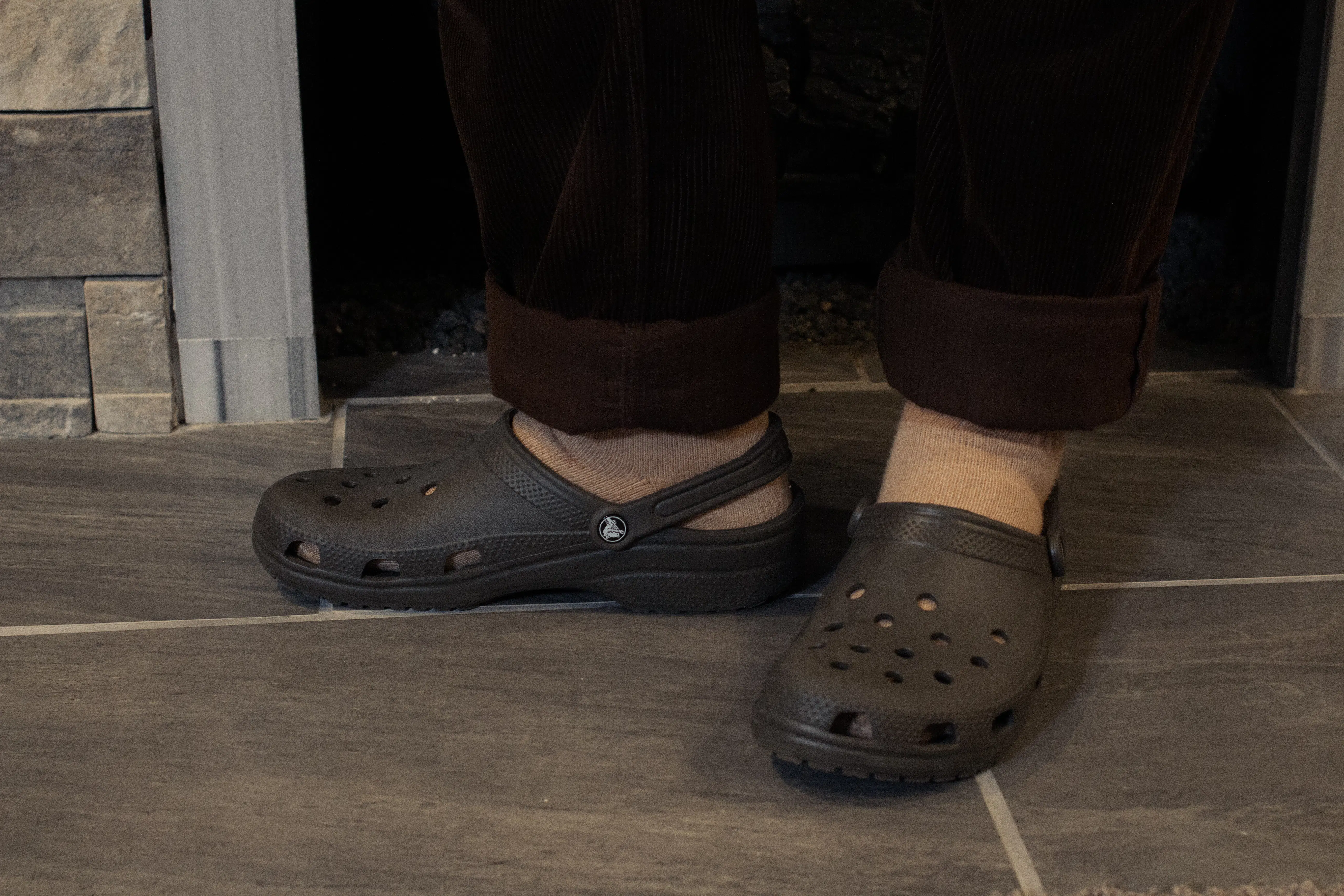
Many people comparing different footwear options want to understand why Crocs feel so different. Their design is not typical, and neither is their material. When individuals ask are crocs comfortable, one reason is the special foam known as Croslite. This foam is soft, lightweight, and molds slightly to your feet as you walk. The shoe’s shape is also wide and rounded, giving your toes space instead of squeezing them. Unlike heavy sneakers or stiff work shoes, Crocs feel more like soft cushions wrapped around your feet. This comfort-focused construction is why many workers consider them for daily wear.
Are Crocs Comfortable for Nurses? A Closer Look
When answering are crocs comfortable for nurses, the most important factor is how they perform during long shifts. Nurses move constantly—walking from patient to patient, standing for long periods, bending, lifting, and sometimes even running. Crocs help reduce pressure on the feet by providing cushioning under the heel and arch. Many nurses report feeling less fatigue when wearing Crocs because the soles are flexible and adapts to different surfaces. Several hospitals even allow or recommend Crocs because they are easy to sanitize after long hours in busy environments. Their slip-resistant models also add extra safety, which is important in places where floors may be wet or slippery.
Benefits of Wearing Crocs During Long Shifts
Crocs have gained popularity for a reason. Anyone asking are crocs comfortable will appreciate knowing the specific advantages they offer. Many of these benefits come directly from real-world feedback from nurses and healthcare workers. Some of the main advantages include:
- Lightweight design that reduces fatigue during long hours
- Soft cushioning that absorbs pressure from constant movement
- Roomy, breathable structure that prevents pinching and friction
- Slip-resistant options for added workplace safety
- Easy-to-clean material ideal for medical environments
- Quick to dry and suitable for workers exposed to spills
- Durable material that lasts through heavy use
These features make Crocs a practical choice for anyone spending long periods on their feet.
How Crocs Reduce Foot Pain and Fatigue
One of the biggest reasons people ask are crocs comfortable is because they want relief from foot pain. Long shifts put stress on the heels, arches, and balls of the feet. Crocs soften this impact through their foam-based cushioning. The thick soles work like small shock absorbers, which helps reduce discomfort after hours of walking. The wide shape of Crocs also reduces pressure on the toes, unlike tight sneakers that can cause blisters. For nurses who already struggle with plantar fasciitis or joint pain, this extra cushioning can provide noticeable relief.
Comparing Crocs to Traditional Nursing Shoes
Many nurses compare Crocs to other popular nursing shoes to determine are crocs comfortable enough to replace traditional footwear. Standard nursing shoes often have firm soles and strong arch support. While they provide structure, they can be heavier and less flexible. Crocs, on the other hand, offer a more relaxed feel but sometimes less structured support. This means that Crocs can be more comfortable for some individuals but may not suit everyone. For example, people with high arches sometimes prefer shoes with more corrective support. Still, for many workers who value lightweight comfort, Crocs outperform traditional shoes in everyday wearability.
Are Crocs Suitable for 8–12 Hour Shifts?
Many professionals wonder if Crocs can handle full-day work schedules. When nurses ask are crocs comfortable, they are often thinking about long hours, not short periods. Based on user feedback and testing, Crocs generally hold up well for 8–12 hour shifts because the foam material stays supportive even after hours of pressure. The shoes don’t become heavy, stiff, or overly warm, which is a common issue with sneakers or leather shoes. However, it is important to choose the right Crocs model, preferably one designed for work environments, to ensure long-lasting comfort.
Case Study: A Nurse’s Experience with Crocs
To better understand are crocs comfortable, consider a real-life example. A registered nurse working in emergency care shared that she switched from traditional nursing clogs to Crocs after developing heel pain. She described her first week wearing Crocs as a major improvement because her feet felt lighter and less strained by the end of her 12-hour shifts. She also mentioned that cleaning her shoes became easier because Crocs could be washed and dried quickly before the next shift. While she noted that the support wasn’t as strong as some specialized orthopedic shoes, the comfort level for daily use made Crocs her new go-to choice.
Are Crocs Comfortable for Walking All Day?
Since nurses walk thousands of steps per shift, it is important to examine how Crocs perform during long periods of walking. Many people still ask are crocs comfortable, especially when moving all day. Crocs’ flexible soles help maintain comfort during constant movement. They don’t restrict your stride, which helps prevent stiffness in your ankles and knees. While they may not offer the same arch support as running shoes, their overall cushioning helps reduce the impact on your feet.
Breathability and Heat Control in Crocs
A common concern among nurses is whether Crocs make feet sweaty during long shifts. When workers consider whether are crocs comfortable, breathability becomes important. Crocs are designed with ventilation holes in many models, which helps improve airflow. Even closed models have enough internal space to prevent overheating. Their foam material doesn’t trap heat the way rubber or leather shoes do, making them suitable for long workdays.
Are Crocs Slip-Resistant for Busy Workplaces?
Safety matters in hospitals. Floors can become slippery due to spills or frequent cleaning. When professionals ask are crocs comfortable, they also wonder if they are safe. Several Crocs models come with slip-resistant soles that enhance grip on wet surfaces. These shoes are designed for medical and kitchen environments, where accidents are more likely. Choosing a slip-resistant pair is important for nurses to avoid falls and keep moving confidently.
Durability: Do Crocs Hold Up Over Time?
Another factor in determining are crocs comfortable long-term is durability. Crocs are made from a foam material that doesn’t easily break down. They resist water damage, bending, and cracking. This makes them last longer than some lightweight shoes that lose shape over time. Nurses who use Crocs often say that their pairs last for months or even years, depending on daily usage.
Hygiene and Cleaning Advantages
Cleanliness is important in medical settings. A major reason many nurses consider are crocs comfortable is their ability to stay clean. Crocs are water-resistant, easy to wipe, and fast to dry. They don’t absorb liquids, which helps prevent stains and bacteria buildup. After a long shift, a quick wash can make them ready for the next day, which adds convenience to a nurse’s busy routine.
Are Crocs Comfortable for People with Foot Conditions?
Many people with foot conditions such as plantar fasciitis, flat feet, or bunions wonder are crocs comfortable for their needs. Because Crocs are wide, soft, and flexible, they work well for people with bunions and swelling. For plantar fasciitis, Crocs can provide temporary relief but may not replace medical-grade support shoes. For flat feet, some Crocs models with enhanced arch support are more suitable. Overall, they are helpful for comfort but may not be a complete medical solution.
Choosing the Best Crocs for Nursing
Not all Crocs are the same. To truly determine if are crocs comfortable, choosing the right model matters. Some Crocs are designed for casual wear, while others are built specifically for work environments. When selecting Crocs for nursing, look for the following:
- Slip-resistant soles
- Closed toes for safety
- Extra cushioning for all-day walking
- Professional or work series models
- Proper sizing to prevent slipping
These factors help increase comfort and safety during long shifts.
Common Misconceptions About Crocs
Many people hesitate to try Crocs due to myths they hear. This often leads them to question are crocs comfortable at all. Some misunderstandings include thinking Crocs are only casual shoes or that they lack support. While some versions are casual, many models are built specifically for professionals. Another misconception is that Crocs are not durable, but real-world use shows they last longer than expected.
Are Crocs Worth It for Long Workdays?
When deciding if are crocs comfortable, value plays an important role. Crocs are generally more affordable than many specialized nursing shoes. Their durability, comfort, and ease of cleaning make them a good investment for many workers. Considering the long hours nurses spend on their feet, Crocs provide a strong balance between affordability and comfort.
Final Verdict: Are Crocs Comfortable for Nurses and Long Shifts?
After reviewing their cushioning, durability, breathability, and real-life usage, the answer to are crocs comfortable for nurses is yes for most people. They provide strong comfort benefits, especially for long shifts where lightweight and cushioned shoes make a difference. While they may not replace orthopedic footwear for severe foot issues, they offer reliable everyday comfort for the majority of healthcare workers. Many nurses who switch to Crocs find that their feet feel less tired, their shoes stay cleaner, and their overall work experience improves. For anyone debating whether Crocs are worth trying, they are definitely a strong option for long, demanding workdays. We’ve designed our homepage to help you find what you need faster.
FAQs
Are Crocs safe to wear in hospitals?
Yes. Many Crocs models are designed with slip-resistant soles and closed-toe protection, making them safe and practical for hospital environments.
Are Crocs supportive enough for long shifts?
Crocs provide cushioning and flexibility, which helps reduce fatigue. However, individuals needing strong arch support may prefer specialized nursing shoes.
How long do Crocs typically last for nurses?
With regular use, Crocs usually last several months to over a year due to their durable foam material and resistance to water and wear.