
Understanding the Landscape of Sports Broadcasting
Defining Sports Broadcasting
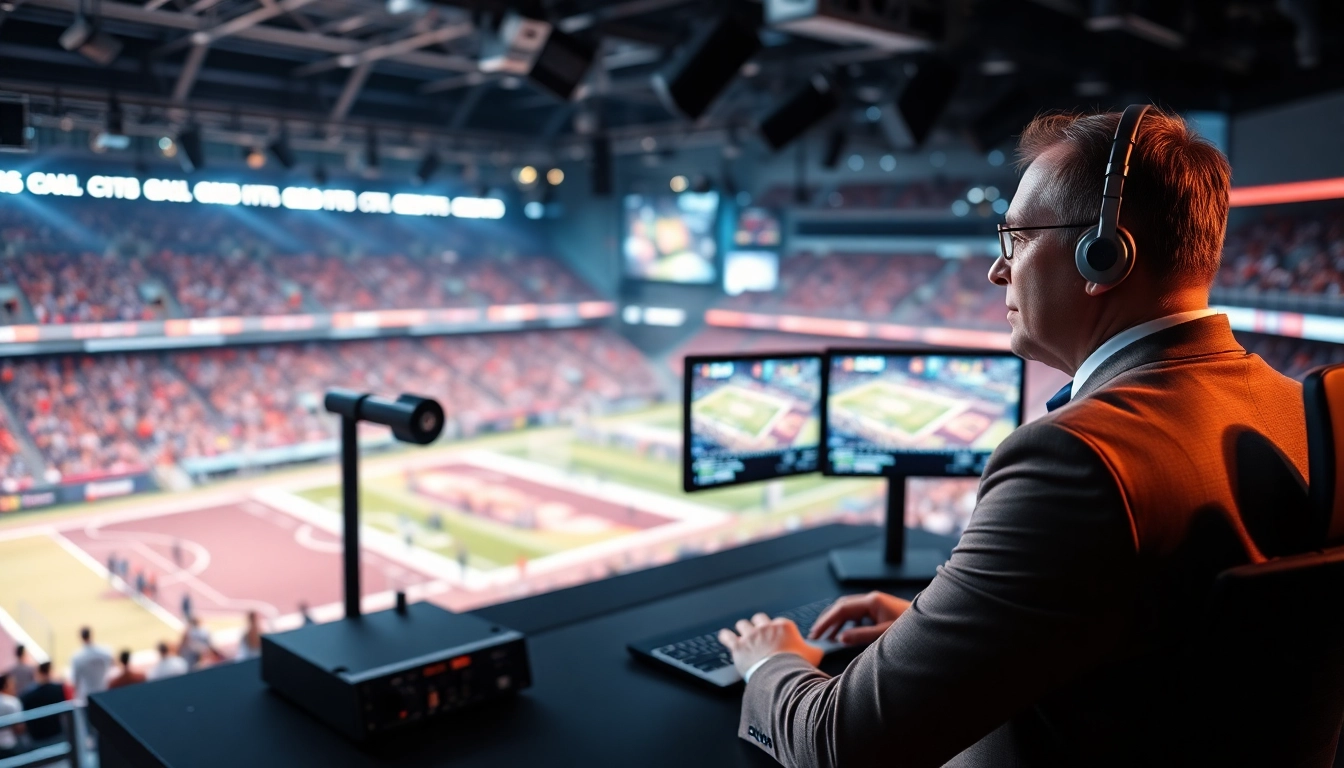
Sports broadcasting is a rapidly evolving industry that encompasses the distribution of sports content via various media platforms, including television, radio, and online streaming services. This practice not only delivers live game coverage but also entails commentary, analysis, and highlight shows aimed at enhancing viewer experience. The primary goal of sports broadcasting is to bring sports to fans, regardless of their location, through engaging and captivating content. In exploring the multifaceted nature of sports broadcasting, one must consider the diverse formats and channels, which have expanded significantly in recent years due to technological advancements and shifting audience preferences. For a deeper dive into the intricate world of Sports Broadcasting, it’s essential to unpack its components.
Key Players in the Industry
The sports broadcasting landscape is populated by an array of key players including network broadcasters, cable channels, streaming platforms, and production companies. Major broadcasting entities strive to acquire rights to air specific sports events, often resulting in competitive bidding processes. Sports leagues themselves, such as the NFL, NBA, and FIFA, hold considerable power, negotiating lucrative media contracts that shape the profitability of broadcasting. In addition, technology firms increasingly play a role in providing the essential infrastructure for digital streaming and interactive content delivery. Understanding these stakeholders is crucial for grasping the dynamics of the sports broadcasting field.
Historical Evolution and Trends
The journey of sports broadcasting began in the early 20th century, evolving from radio broadcasts to the widespread utilization of television. Initially dominated by a few key networks, the field has diversified with the introduction of cable and satellite systems, allowing niche sports channels to thrive. The last two decades have witnessed a transformative trend towards digital streaming, propelled by the advent of high-speed internet and mobile technology. The continual adaptation to viewer habits, such as the preference for on-demand content, has corporations reevaluating their strategies to remain relevant in this competitive sphere.
Essential Technologies in Sports Broadcasting
Broadcasting Equipment: Tools of the Trade
To deliver high-quality sports broadcasts, various specialized equipment is essential. These include cameras, microphones, and broadcasting consoles, each designed for specific functionalities. Multi-camera setups enable diverse angles, capturing the action in real-time with clarity that engages viewers. Additionally, mobile production units allow broadcasters to cover events remotely, ensuring full broadcasting capabilities despite logistical challenges. Investing in top-tier equipment not only enhances production quality but also directly impacts viewer satisfaction.
Role of Software in Streaming and Editing
Advancements in software technology have revolutionized the editing and streaming processes in sports broadcasting. Tools for live streaming provide broadcasters with the ability to reach more audiences, while advanced editing software allows for the creation of highlights and in-depth analysis segments. These innovations enable broadcasters to provide immediate post-game coverage, keeping fans engaged longer. As viewer interactions evolve, the integration of augmented reality (AR) and virtual reality (VR) tools allows broadcasters to create immersive viewer experiences, improving how sports content is consumed.
Innovations Shaping the Future of Sports Broadcasting
The future of sports broadcasting is bright, with innovations such as artificial intelligence (AI) and machine learning enhancing content personalization. Data analytics offers broadcasters insights into viewer preferences, enabling tailored programming that resonates with target audiences. Furthermore, the rise of interactive broadcasting allows fans to participate in real time, enhancing engagement by providing a sense of involvement. Innovations will continue to drive the transformation of sports broadcasting, forging deeper connections between fans and the sports they love.
Creating Compelling Content for Sports Audiences
Understanding Your Target Audience
Effective sports broadcasting hinges on a comprehensive understanding of the target audience. Demographic analysis—encompassing age, gender, location, and viewing habits—plays a crucial role in crafting content that resonates. Broadcasters must also be aware of the emotional connection fans have with their teams and the significance of regional rivalries. Engaging with audience feedback through surveys and social media interactions also informs content strategies, ensuring offerings align with viewer expectations and preferences.
Storytelling Techniques in Sports Broadcasting
Storytelling lies at the heart of successful sports broadcasting. Effective narratives elevate game coverage, turning a simple play-by-play into a compelling story that captivates viewers. Techniques such as the use of on-field interviews, player backstories, and historical context create a richer viewing experience. Broadcasters should focus on delivering not just the game, but also the experiences, challenges, and triumphs that drive the sport, forging a connection that resonates with fans emotionally.
Engaging Viewers Through Social Media
In today's digital age, social media is an indispensable tool for engaging viewers. Platforms like Twitter, Facebook, Instagram, and TikTok are leveraged to extend broadcasts, offering behind-the-scenes access, live updates, and interactive content. Creative formats such as polls, quizzes, and live Q&A sessions enhance audience interaction and foster community engagement surrounding teams and events. By maintaining an active social media presence, broadcasters can attract new fans while deepening the loyalty of existing ones.
Challenges and Solutions in Sports Broadcasting
Addressing Technical Difficulties
Despite advancements, technical difficulties can significantly impact the quality of broadcasts. Issues such as signal loss, delayed feeds, and equipment malfunctions require robust contingency plans. Broadcasters must invest in redundant systems—backup solutions that can be activated if primary systems fail. Conducting regular equipment check-ups and preparing technical personnel through training ensures that problems are quickly resolved, maintaining a seamless viewer experience.
Regulatory Compliance and Legal Issues
Sports broadcasting is governed by a complex web of regulations that differ across countries and regions. Compliance with broadcasting laws, copyright issues, and licensing agreements is paramount to avoid legal repercussions. Understanding these regulations not only protects broadcasters but also reinforces their credibility. Engaging legal counsel to navigate these complexities is a prudent step, ensuring operations adhere to legal standards while adapting to industry changes.
Navigating Competitive Market Dynamics
The landscape of sports broadcasting is highly competitive, with networks continuously vying for audience attention. To stay ahead, broadcasters should differentiate their offerings by enhancing viewer experiences through innovative content and superior production value. Establishing partnerships with influencers and leveraging exclusive content can create unique selling propositions, attracting viewers in an overcrowded market. Monitoring competitors’ strategies can also provide insights that drive adaptation and growth.
Measuring Success in Sports Broadcasting
Key Performance Indicators for Broadcasters
Measuring success in sports broadcasting requires a keen eye on key performance indicators (KPIs). Metrics such as viewer ratings, advertising revenue, and subscription rates provide insights into operational efficiency and audience reach. Broadcasters should analyze trends over time to assess growth and gauge the effectiveness of their content strategies. Regularly reviewing and refining KPIs ensures that broadcasters remain aligned with industry benchmarks for success.
Audience Engagement Metrics
In addition to traditional viewership metrics, audience engagement metrics such as social media interactions, user-generated content, and participation in polls can offer deeper insights into viewer behavior. Understanding how audiences interact with content allows broadcasters to tailor future programming that resonates more effectively. High engagement levels often correlate with increased viewer loyalty, translating to sustained viewership and increased revenues.
Adapting Based on Viewer Feedback
Feedback from viewers plays a pivotal role in shaping future content and strategy. Broadcasting firms should actively encourage viewers to provide feedback through surveys, comment sections, and social media. Analyzing this feedback enables broadcasters to fine-tune their offerings, align closely with audience desires, and address any areas of dissatisfaction. Taking actionable steps based on audience insights not only builds trust but also fosters long-term loyalty to the brand.
Frequently Asked Questions (FAQs)
What is sports broadcasting?
Sports broadcasting refers to the distribution of sports content across various media platforms, including live game coverage, commentary, and analysis.
What technologies are essential in sports broadcasting?
Essential technologies include broadcasting equipment (cameras, microphones), editing software, and streaming platforms that enhance viewer engagement.
How can broadcasters engage their audience effectively?
Engagement can be enhanced through social media interactions, compelling storytelling, and understanding audience preferences to create relatable content.
What challenges do sports broadcasters face?
Challenges include technical difficulties, regulatory compliance, and navigating a competitive market landscape that demands continuous adaptation.
How can success be measured in sports broadcasting?
Success can be measured through key performance indicators (KPIs) like viewer ratings, audience engagement metrics, and advertising revenue trends.